The Evolution of CS2 Skins and Case Opening in Modern Gaming
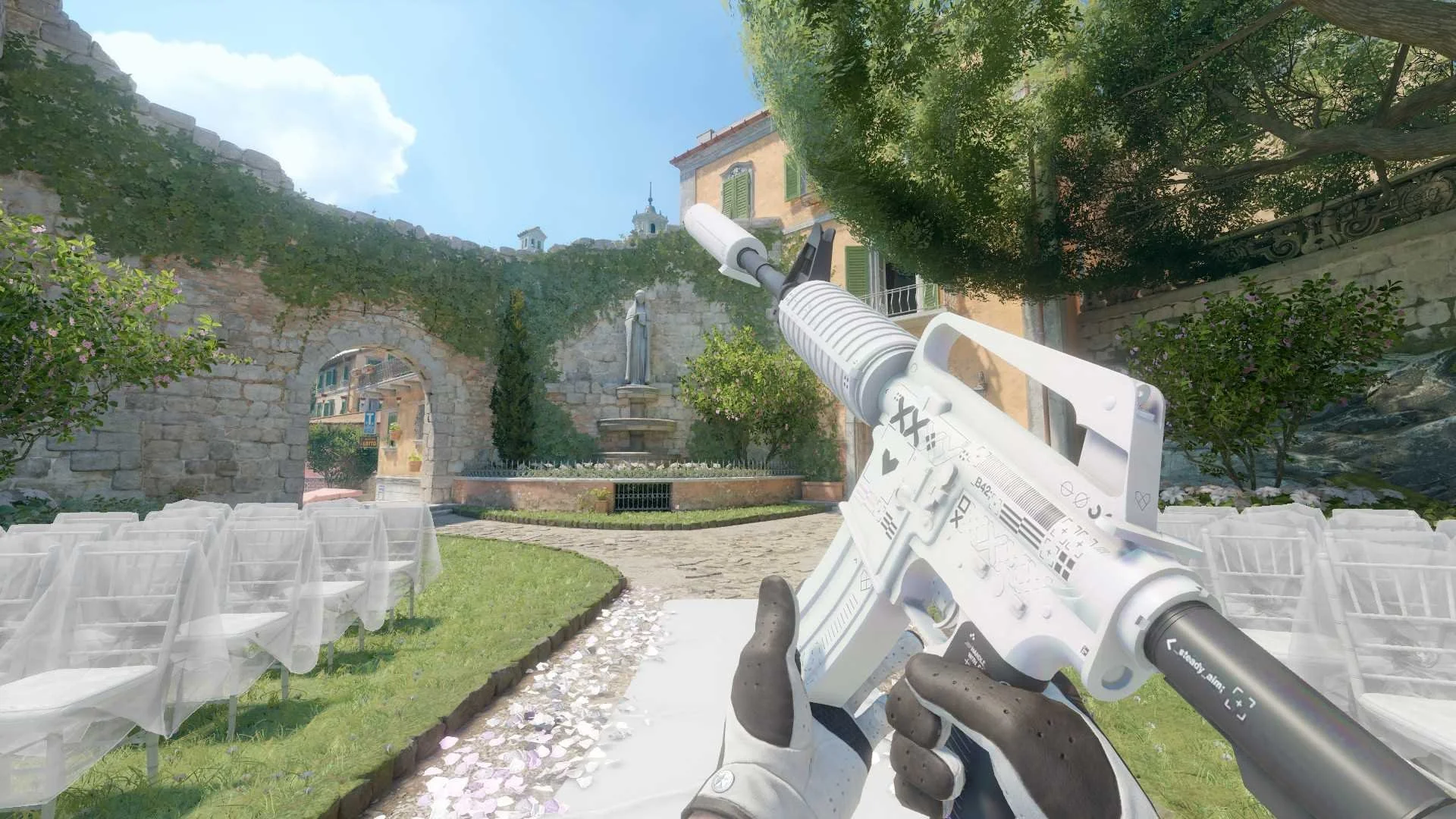
Over the past decade the gaming industry has gone through noticeable changes, especially in the way players interact with in-game items. Cosmetic content is no longer just a visual addition — for many players it has become part of the overall experience. In the Counter-Strike series, weapon skins have turned into one of the most recognizable elements of the game. Today cs2 skins are collected, discussed, traded, and sometimes even analyzed in terms of rarity and popularity within the community.
What makes skins interesting is not only their appearance but also the ecosystem around them. Players often compare collections, talk about rare drops, and follow new updates that introduce fresh cosmetic items. As esports and streaming continue to grow, visually unique skins also help players express individuality during matches watched by thousands of viewers.
The Rise of Skins and Cases in Counter-Strike
The introduction of weapon skins and CSGO cases added an unexpected dimension to the Counter-Strike experience. Instead of focusing only on competitive gameplay, players also gained the opportunity to collect and trade cosmetic items. Over time the process of case opening itself became part of the culture surrounding the game.
Opening a case is simple in concept but exciting in practice. A player unlocks a case and waits to see which item appears. Sometimes it is a common skin, other times a rare one. That element of uncertainty keeps many players interested, especially when new collections of CS2 cases are released with updated designs and visual styles.
Players who want to explore the topic further often use community resources such as csgo case platforms where information about skins, drop mechanics, and collections is easier to browse.
The rarity system also plays an important role. Some skins appear regularly while others are extremely difficult to obtain. Because of this difference, certain items slowly become well known in the community and sometimes gain additional value simply due to their scarcity.
The Growing Market for Digital Gaming Items
As interest in skins increased, an entire digital economy began forming around them. Today a typical gaming skins marketplace allows players to exchange items, check prices, and follow market trends. This system connects players from different countries who share the same interest in collecting and trading skins.
Many gamers regularly follow updates related to cs2 skins, especially when new collections appear after game updates. Some skins quickly become popular because of their visual style, while others gain attention due to their rarity or association with well-known players.
In addition, platforms that allow users to Buy & Sell CS2 Skins help simplify the trading process. For players with larger inventories this makes it easier to manage their collections and find items they might be missing.
Another interesting aspect of the skins ecosystem is the role of the community itself. Discussions about prices, rare items, and upcoming updates happen constantly across forums, social networks, and gaming platforms. These conversations keep the topic active and help new players understand how the system works.
Overall, skins have become more than simple cosmetic upgrades. From early CSGO cases to modern CS2 skins, they represent a mix of game culture, digital ownership, and community interaction. As Counter-Strike continues to evolve, the interest in collecting and trading skins is likely to remain a visible part of the gaming landscape.
Читайте также: